Gaming addiction therapy
Support for gaming addiction, gaming disorder, and problematic gaming (including screen overuse) when gaming starts to interfere with sleep, responsibilities, relationships, or mood.
Florida telehealth only · Adults 18+ and couples · Peer-reviewed research in Computers in Human Behavior (2017) and PLOS ONE (2026).
Peer-reviewed gaming-disorder researcher Computers in Human Behavior (2017) · PLOS ONE (2026)
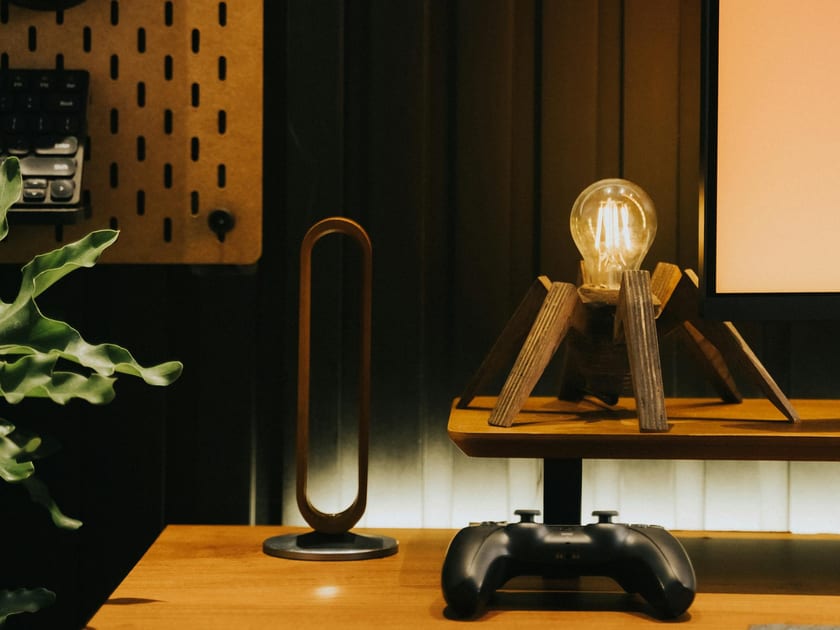
When gaming becomes the problem
- Gaming time keeps growing despite repeated attempts to cut back
- Sleep, school, or work performance is sliding
- A partner, family member, or roommate has raised it — sometimes more than once
- Conflict, lost trust, or broken agreements at home are now part of the picture
- Gaming has become how you regulate stress, low mood, or social discomfort
The clinical line isn't hours played — it's whether the pattern is pulling life off course.
What we work on in therapy
- The function gaming serves — what it helps you avoid, regulate, or reach for
- Concrete skills that fill that function without removing the activity wholesale
- Realistic routines for sleep, work or school, and connection with the people who matter
- Repair conversations with a partner or family member when gaming has strained the relationship
- Comorbid anxiety, depression, ADHD, or social anxiety when they're feeding the pattern
Most clients aren't aiming to quit entirely. Abstinence becomes the goal only when the function and the format make that the right move.
Individuals, couples, and family stress
Sometimes gaming is the central concern for an individual. Other times it shows up as a relationship problem — conflict, disconnection, lost trust, broken agreements. The right format depends on the situation: individual therapy, couples therapy, or a combination. We can clarify that in the first session.
A quick self-check
Several of these fitting your situation does not equal a diagnosis. It does suggest the pattern is worth a closer look.
- Sleep is regularly disrupted by gaming or post-gaming wind-down
- Work or school performance is slipping in measurable ways
- Relationships are strained, or you feel increasingly isolated
- Attempts to cut back don't hold past a few days
- Gaming has become the primary way you manage stress, anxiety, or low mood
- You feel relief when you can game and irritability when you can't
If you are worried about someone else's gaming
If gaming is causing conflict in your relationship, you can start couples therapy together or start individual therapy on your own. We look at the pattern, what you have already tried, and how to raise it without the same fight.
This practice is not an emergency service. If you need immediate help, call or text 988. If you are in immediate danger, call 911.
Common questions about gaming therapy
Is gaming addiction a real diagnosis?
The World Health Organization recognized Gaming Disorder in ICD-11 (in force since 2022). The DSM-5-TR lists Internet Gaming Disorder as a condition for further study. Clinically, the label matters less than the impact — if gaming is pulling sleep, work, school, or relationships off course, the pattern is worth addressing. My peer-reviewed work on internet gaming disorder was published in Computers in Human Behavior (2017), and I am first author of a published scoping-review protocol on digital behavioral addictions in adolescents and young adults (PLOS ONE, 2026).
Do I have to quit gaming to do this work?
No. Most clients aren't looking to quit entirely. The work is about understanding what gaming is doing for you (regulating anxiety, escaping a difficult home situation, providing a sense of agency you don't get elsewhere), then building alternatives that work without removing the activity wholesale. For some clients abstinence does become the goal; that's a clinical decision we make together.
Can my partner or family be involved?
Sometimes. If the gaming pattern is causing significant relationship strain, couples therapy may be part of the picture — either alongside individual work or as the primary frame. We can clarify what fit makes sense after the intake.
My partner or family member does not think their gaming is a problem. Can I still get help?
Yes. You can start individual therapy on your own. We can look at what the gaming pattern is doing to your relationship or family, what you can change on your side, and how to raise it without the same fight. If your partner later wants to join, couples sessions are an option. If you need immediate help, call or text 988. If you are in immediate danger, call 911.
Do you see teens for gaming concerns?
Gaming-focused therapy here is for adults 18 and older, and for couples. If you are a parent worried about a teen's gaming, your teen's pediatrician or school counselor can suggest local options. If there is a safety concern, call or text 988. In an emergency, call 911.
How is gaming addiction different from regular heavy gaming?
Heavy gaming on its own isn't a disorder. The clinical question is impact and control: are you able to limit gaming when you decide to? Is sleep being lost? Are responsibilities slipping? Is conflict escalating? Are you using gaming primarily to manage stress, anxiety, or low mood? When several of those are happening and attempts to cut back keep failing, the pattern has crossed into the kind of problem therapy can help with.
Research background
My peer-reviewed research on gaming includes an internet gaming disorder study in Computers in Human Behavior (2017) and a scoping-review protocol on digital behavioral addictions in adolescents and young adults in PLOS ONE (2026). See the publications page for the full list.